
Speech & Communication Therapy for Autistic Children in Lutherville, MD
Every way of communicating deserves to be heard
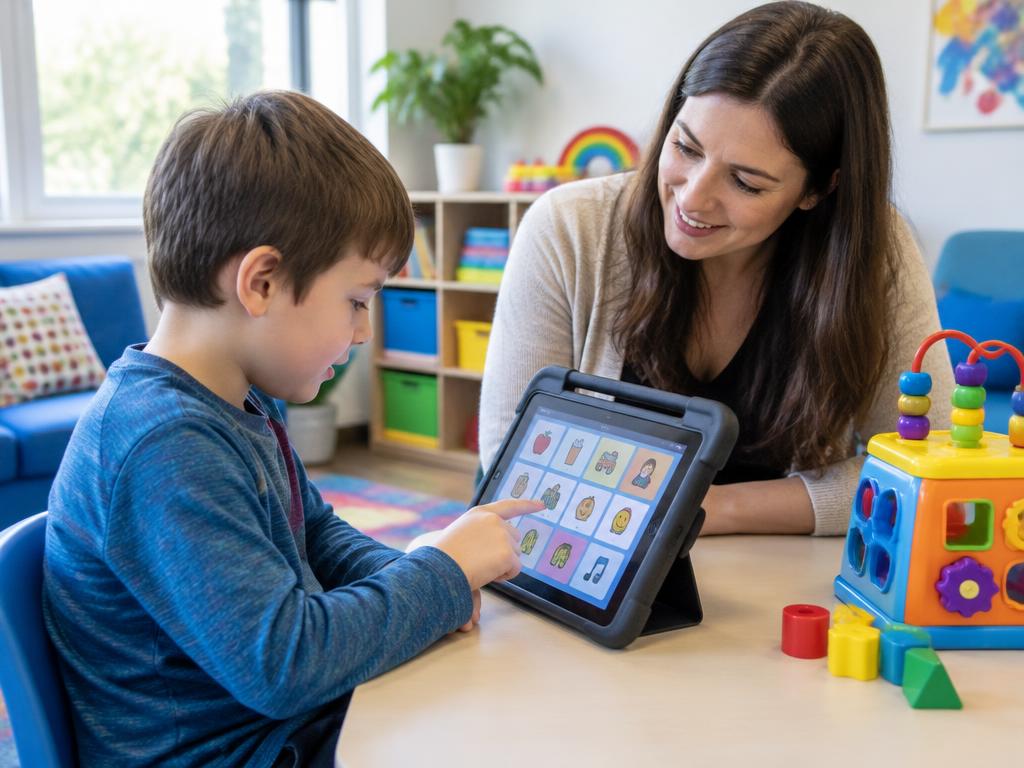
Your child may speak in full sentences, communicate through a few words, point toward a favorite activity, use a tablet, or combine several ways of sharing a message. There is no single autistic communication profile, and spoken language is not the only valid way to connect. A useful therapy plan begins with understanding your child: what interests them, how they communicate now, what makes communication easier or harder, and what they want other people to know.
Spectrum Speech Therapy provides individualized speech, language, and communication support for autistic children in Lutherville, MD. The focus is functional communication, access, and participation rather than curing autism or making a child appear less autistic. Families bring important knowledge, and the child's preferences matter throughout the process. Goals should help a child express needs, share interests, understand information, and communicate choices in ways that are meaningful to their daily life.
Different communication profiles, individualized support
Children who use spoken language
A speaking child may need support understanding unfamiliar instructions, explaining an experience, taking part in a preferred conversation, or asking for clarification. Some children have a large vocabulary but find communication harder in busy, unpredictable, or demanding situations. Others use repeated phrases that have personal meaning. The therapist explores how language is being used and understood, including the setting and the listener's role. An assessment should not assume that a fluent-sounding sentence tells the whole story.
Children who use fewer spoken words
A minimally speaking child may share information through movement, gestures, sounds, facial expressions, pictures, or a communication device. These messages deserve recognition and a response. Therapy can help strengthen reliable ways to express needs, ideas, and preferences without withholding access while waiting for speech. A child may use different methods in different moments. The goal is a communication system that works for them, not a requirement to use one method exclusively.
What functional communication can look like
Functional goals connect to situations a child actually encounters. Asking for help, refusing something, requesting a break, choosing a game, commenting on a favorite topic, or sharing that something hurts can all be meaningful priorities. Goals should include more than following adult directions. Being able to say no, ask questions, and initiate an interaction supports autonomy as well as participation. A therapist and family can identify which messages are most important and whether the current environment makes them accessible.
Success can look like a child using a gesture that a caregiver recognizes, finding a useful word on a device, understanding a visual routine, or communicating an idea with less frustration. These changes may be small but matter greatly to everyday life. The child's interests can provide natural opportunities to connect and practice. Therapy is not about rehearsing social performances to please adults; it should create ways for a child to participate while respecting their communication style.
Augmentative and alternative communication, or AAC
More than a device
AAC refers to communication methods that support or provide alternatives to speech. It can include gestures, signs, picture boards, written words, and speech-generating devices. Some methods require no technology; others use specialized tools. A therapist considers the child's access needs, vocabulary, interests, and communication partners before recommending options. Choosing a device is only part of the process: having it available, knowing how to respond, and using it in ordinary activities are just as important.
Access without waiting for perfect speech
A child does not have to demonstrate perfect spoken language before communication supports are considered. AAC may be used alongside speech and other methods, and the plan can change as communication needs develop. The therapist can help caregivers model a communication system without turning each interaction into a test. Access should include useful words for more than requesting objects, such as opinions, questions, feelings, and refusals. No single app or picture system is automatically right for every child.
An evaluation that starts with your child
The assessment gathers family priorities, developmental information, and examples from daily routines. A clinician may observe play or preferred activities, explore understanding and expression, and learn which methods your child already uses. Information from school or other providers can be helpful when shared with consent. A child may communicate differently in an unfamiliar office than at home; the therapist considers that context instead of treating a single performance as a complete picture of ability.
Tell us about sensory preferences, difficult transitions, and ways your child shows comfort or distress. Familiar activities, appropriate pacing, and communication supports can make an assessment more accessible. The therapist explains findings and discusses goals that reflect strengths as well as support needs. Speech-language assessment informs communication care; it is not a promise to establish or rule out an autism diagnosis. Questions about diagnostic evaluation may require coordination with your child's medical or developmental providers.
What neurodiversity-affirming therapy means in practice
Affirming support recognizes autistic ways of thinking and communicating as part of human diversity. A child's need for clear information, processing time, predictability, or a different communication method is not a moral failing. Therapy should not require eye contact as proof of listening or aim to suppress harmless self-regulation. The clinician considers whether an activity serves a meaningful communication purpose and whether it respects the child's comfort and ability to make choices.
Support may include accessible language, visual information, shared play around an interest, or practice communicating a boundary. Social communication goals should be mutual: adults can learn to give clearer explanations, notice messages, and reduce unnecessary demands. A child can learn useful ways to ask about a confusing situation without being taught that their natural style is wrong. The plan should be reviewed with the family and adjusted when a task creates distress or does not translate into useful everyday communication.

Families and communication partners are part of the plan
Caregivers can help by noticing and responding to communication attempts, offering meaningful choices, and allowing time for a response. If your child uses AAC, ask the therapist how to keep it available and model it in natural routines. Avoid assuming that a child must repeat a message in speech before the message counts. A family can learn practical strategies for meals, play, getting ready, or sharing interests without making every moment feel like an assignment.
Teachers and other communication partners may benefit from shared vocabulary, predictable routines, and a clearer understanding of how the child communicates. Collaboration depends on family permission and the child's needs. The aim is consistency without demanding identical behavior in every setting. Children's Speech Therapy describes our broader pediatric services, while Articulation & Speech Sound Therapy may be relevant if speech clarity is a separate concern. Related needs should be assessed individually, rather than assumed from an autism diagnosis.
Communication support close to home
Our Lutherville office serves families from Timonium, Towson, and surrounding Baltimore County communities. Choosing therapy is a chance to ask how a provider will understand your child's strengths, respond to communication differences, and involve your family in decisions. Meet Our Team introduces our clinicians, and Areas We Serve provides information about nearby communities. You can describe the support you are seeking before deciding whether an evaluation fits your family's priorities.
Progress is individual and may involve changes in access, understanding, confidence, or independence rather than a larger spoken vocabulary alone. A useful plan asks whether your child has more ways to be understood and whether partners are responding more effectively. We do not promise a cure for autism, a fixed number of sessions, or one ideal communication style. Ask the clinician how goals will be measured and how your child's preferences will shape the work.
Frequently Asked Questions About Autism Communication Therapy
Is therapy only for autistic children who do not speak?
No. Speaking children may need support with language understanding, expression, or participation, while minimally speaking children may benefit from accessible communication methods. Goals depend on the individual child's strengths and priorities, not a single label.
Does using AAC mean giving up on speech?
No. AAC can support communication alongside speech and other methods. A clinician can help choose options and coach communication partners. Access to a meaningful message should not depend on first producing that message verbally.
Will my child be required to make eye contact?
Eye contact is not a requirement for valid communication or evidence of listening. Goals should support understanding and participation in ways that respect the child's comfort, sensory needs, and communication preferences.
Can we include goals about saying no or asking for a break?
Yes. Communicating boundaries, discomfort, and a need for help or rest can be important functional priorities. Discuss these goals with the therapist so the plan supports autonomy as well as shared activities and learning.
Contact Us About Your Child’s Communication
Contact Spectrum Speech Therapy to discuss your child's current communication methods, interests, and support needs. Our office is at 2324 W Joppa Road, Suite 130, Lutherville, MD 21093. Call 443-875-7606, email amyschueler70@gmail.com, or contact the practice through our form. Whether your child uses speech, gestures, pictures, a device, or a combination, we welcome a conversation about meaningful next steps.

Explore Our Other Speech Therapy Services
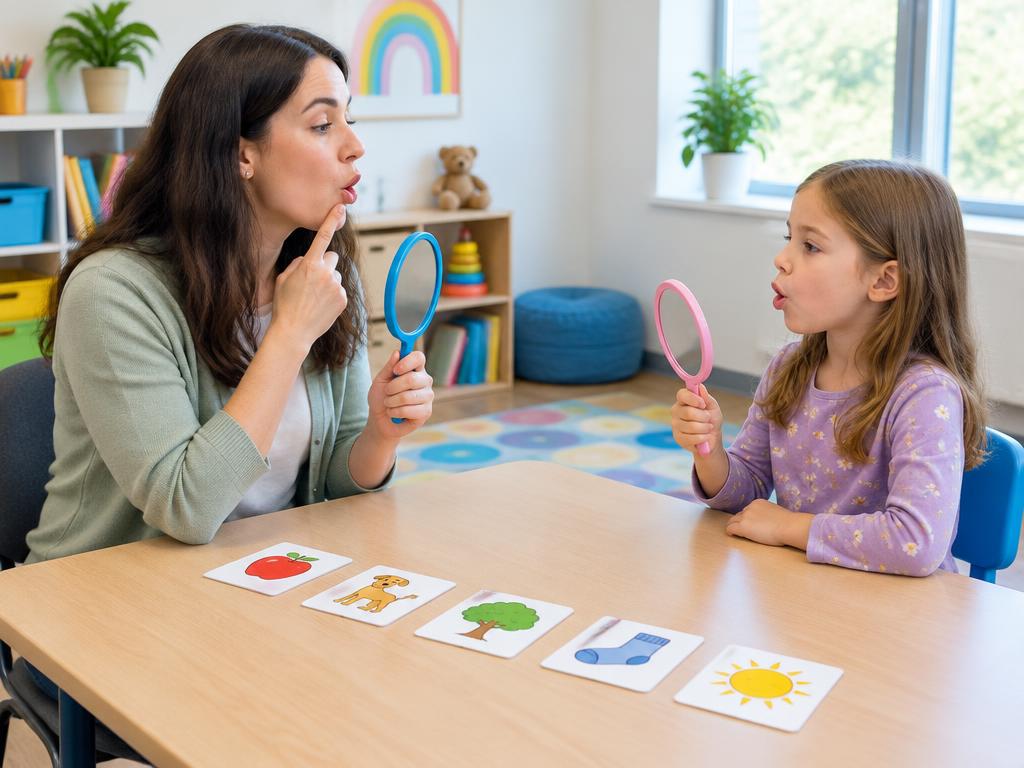
Articulation & Speech Sounds
Individualized support for clearer pronunciation and everyday communication.
Learn more
Stuttering Therapy
Fluency and communication confidence for children, teens, and adults.
Learn more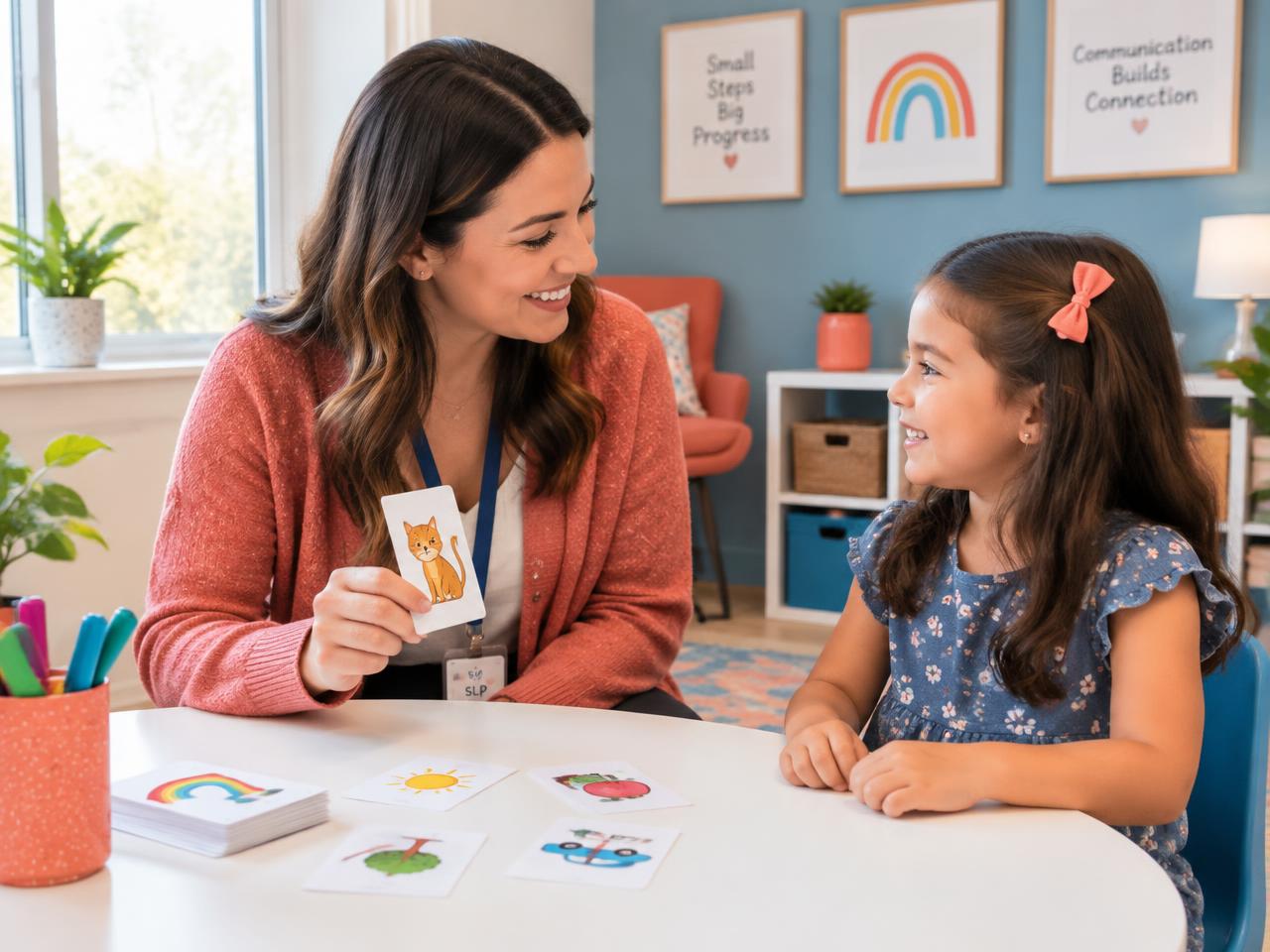
Children's Speech Therapy
Play-based therapy for speech, language, social and feeding skills.
Learn more
Toddler Speech Delay Therapy
Early help for late talkers and toddlers building first words.
Learn more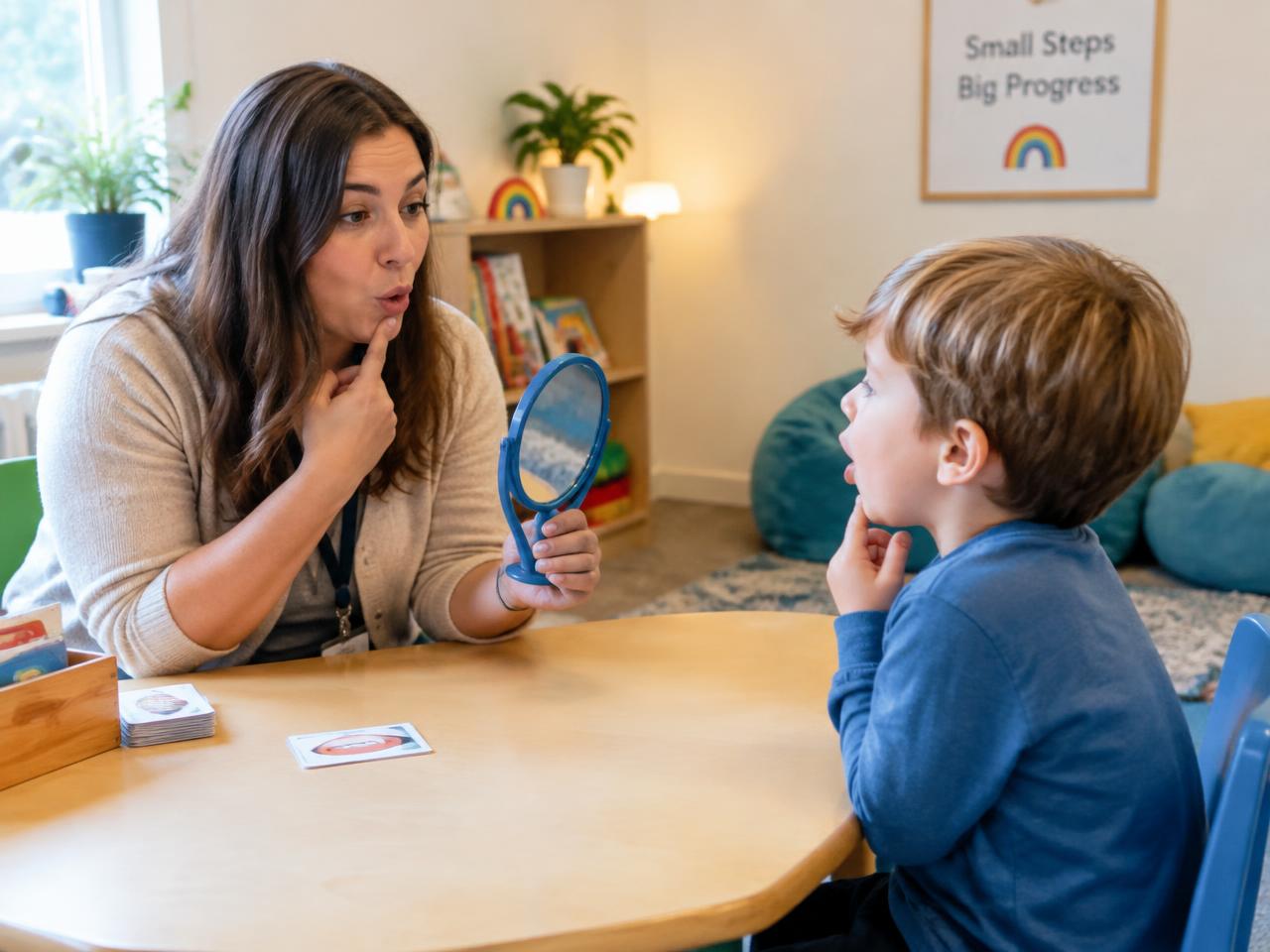
Childhood Apraxia of Speech Therapy
Motor-based practice for children who struggle to plan speech movements.
Learn more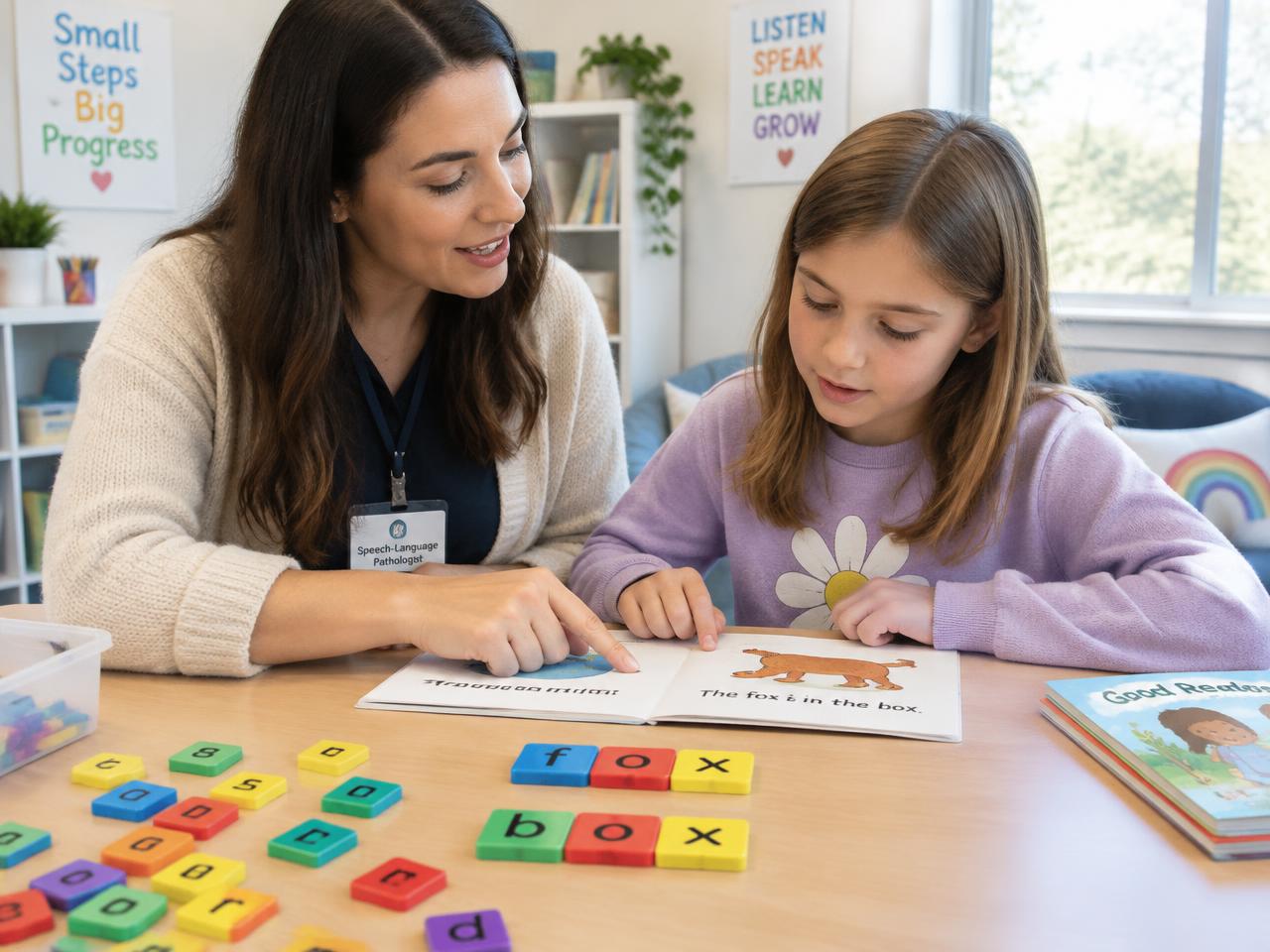
Dyslexia Therapy
Structured literacy support for early readers, preschool through 2nd grade.
Learn more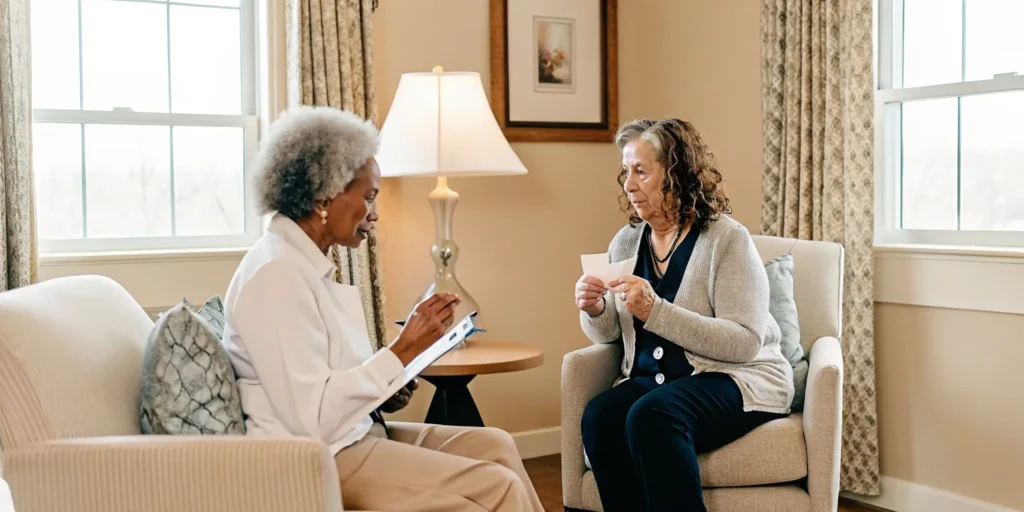
Adult Speech Therapy
Speech, language, voice, cognition and swallowing therapy for adults.
Learn more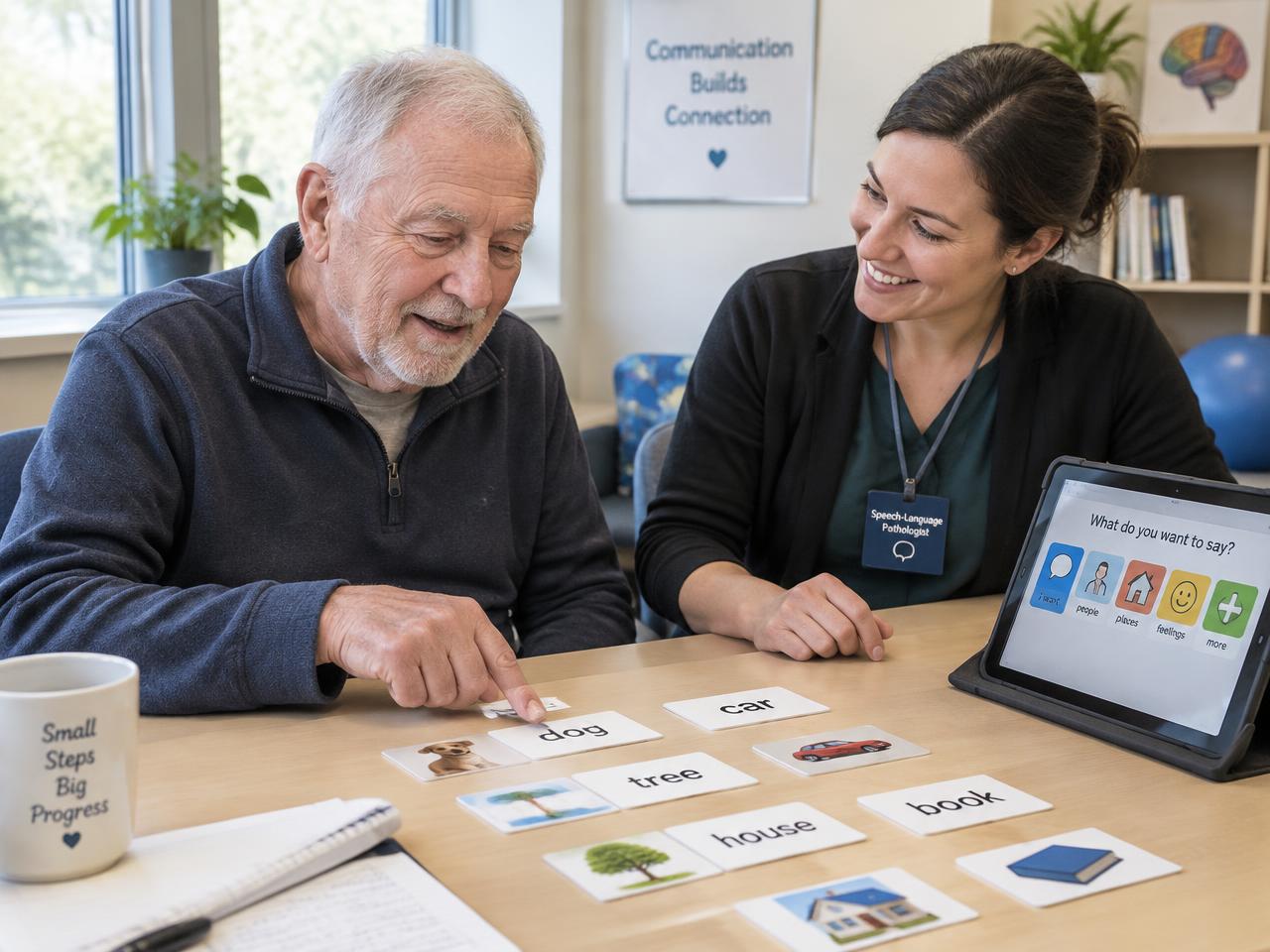
Speech Therapy After Stroke
Rehabilitation to rebuild communication and swallowing after a stroke.
Learn more
Aphasia Therapy
Help finding words, understanding and expressing language again.
Learn moreContact Us
Talk with our Lutherville team about an evaluation and your communication goals.
Contact Us
Questions about an evaluation, scheduling, or insurance? Reach our Lutherville office by phone or send us a message.
Send a Message- 2324 W Joppa Road, Suite 130, Lutherville, MD 21093
- 443-875-7606
- amyschueler70@gmail.com
- Monday – Friday, 8:00 am – 6:00 pm