
Childhood Apraxia of Speech Therapy in Lutherville, MD
Helping Children With CAS Build Clear, Confident Speech
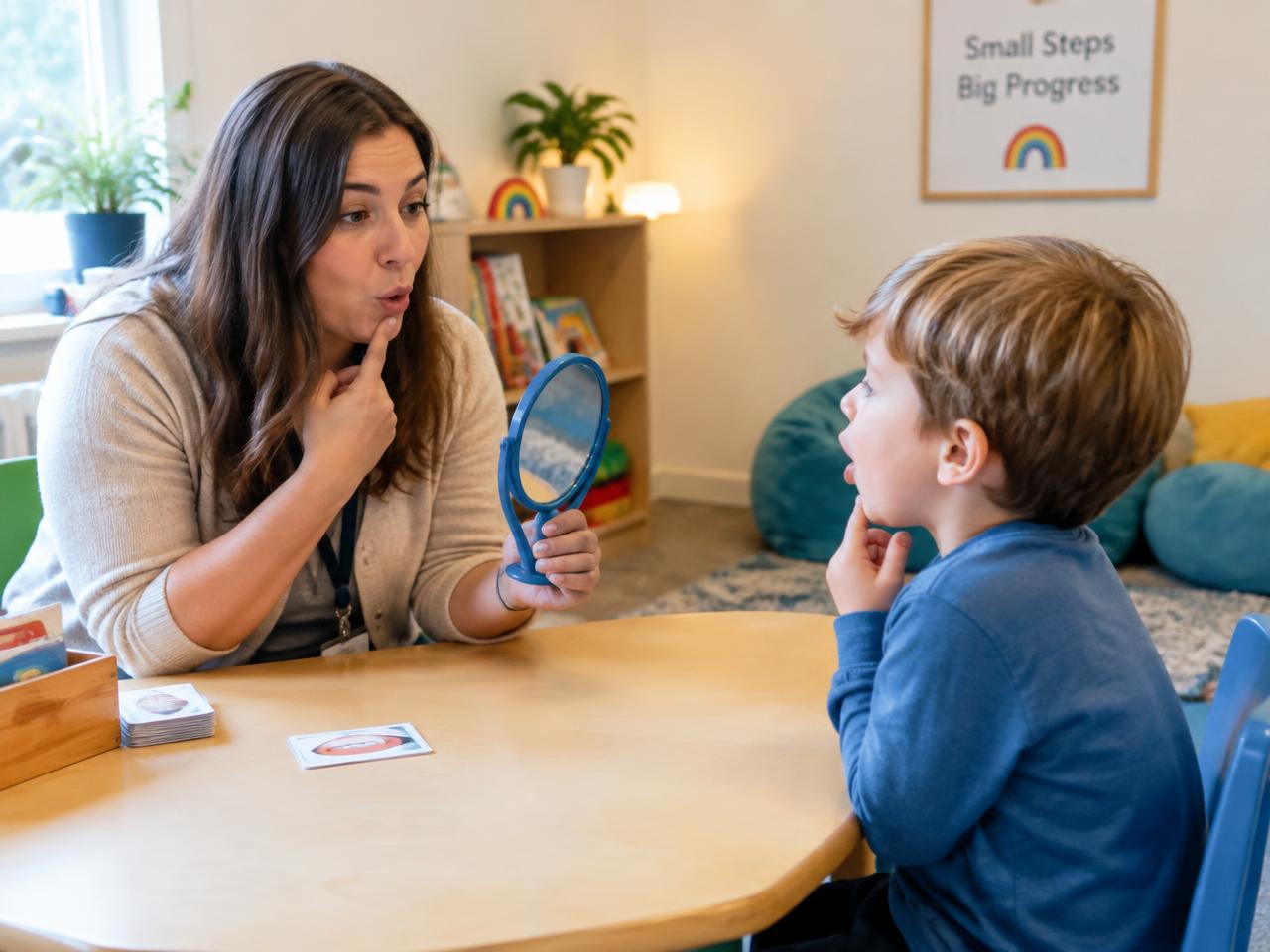
Childhood apraxia of speech (CAS) is a motor speech disorder that makes it hard for a child's brain to plan and sequence the movements needed for speech. It is not a sign of low intelligence, and with the right therapy, children with CAS can make real progress.
At Spectrum Speech Therapy, our speech-language pathologists provide Children's Speech Therapy for families in Lutherville, Timonium, Towson, Cockeysville, Hunt Valley, Parkville, Pikesville, White Marsh and across Baltimore County, in our office and through telehealth. If you suspect apraxia, an evaluation is a helpful first step.
What Is Childhood Apraxia of Speech?
CAS happens when a child's brain has trouble sending the right signals to the muscles used for speech, even though those muscles themselves are not weak. The child knows what they want to say, but the message gets scrambled on the way to the mouth.
This can make a child's speech sound inconsistent. They might say a word clearly one time and then struggle with the same word a few minutes later. Longer words and phrases are often harder than short, familiar ones.
CAS can occur on its own or alongside other speech, language or developmental differences. Because every child presents a little differently, a thorough evaluation by a speech-language pathologist is the best way to understand what is happening and build the right plan.

Signs of Childhood Apraxia of Speech
Signs can vary by age, but you may want to ask about an evaluation if your child:
- Says a word differently each time they try it
- Struggles more with longer words and phrases than short ones
- Has a limited number of consonant and vowel sounds compared to peers
- Seems to search or grope with their mouth while trying to speak
- Has speech that is harder to understand than their understanding of language suggests
- Puts stress on the wrong syllable or sounds choppy or monotone
- Made fewer sounds and words than expected around their first and second birthdays
Every child develops at their own pace, so these signs alone do not confirm CAS. An evaluation helps determine what is really going on and whether your child could benefit from our Toddler Speech Delay Therapy services.
Parents often notice these signs long before a formal evaluation, since you spend the most time listening to your child communicate. Keeping a simple list of words your child says clearly versus inconsistently can be genuinely helpful information to share with a speech-language pathologist.
How CAS Differs From Other Speech Disorders
CAS vs. Articulation Disorder
An articulation disorder means a child has trouble physically producing certain sounds, like substituting one sound for another. The error pattern is usually consistent. With CAS, the same word can come out differently each time because the difficulty is in planning the movement, not just making a single sound correctly.
CAS vs. Phonological Delay
A phonological delay involves predictable patterns, such as leaving sounds off the ends of words, that are common in younger children learning speech rules. These patterns tend to be consistent and follow a typical sequence. CAS instead shows inconsistent errors that don't follow one simple pattern, because the brain is struggling to plan each attempt.
CAS vs. Dysarthria
Dysarthria is caused by weakness or reduced control of the speech muscles themselves, which can make speech sound slurred or low in volume. CAS is different because the muscles usually work fine; the challenge is in the brain's planning and sequencing of movements. Telling these apart is an important part of a speech evaluation.
Why Early, Intensive Therapy Matters
Children with CAS generally respond best to frequent, focused practice rather than widely spaced sessions. Because the goal is to help the brain build strong motor plans for speech movements, repetition in a supportive setting is key.
Starting therapy early gives a child more time to build these speech motor patterns before school demands increase. Early intervention can also support a child's confidence, social connections and classroom participation.
If you are unsure whether your child's speech is on track, our page on Does My Child Need Speech Therapy? can help you think through next steps, and we are always happy to talk it through with you.
Our Approach to CAS Therapy
We begin with a comprehensive evaluation to look closely at your child's sound inventory, consistency of errors, syllable structure, prosody and overall intelligibility. We also consider language, feeding history and any other developmental concerns.
From there, we build an individualized plan using motor-based treatment approaches designed for CAS. These typically involve frequent repetition of target words and phrases, with careful cueing to help your child plan and produce each movement sequence.
We track progress closely and adjust targets as your child's speech becomes more consistent, gradually increasing the length and complexity of words and sentences practiced in session.
Sessions are kept engaging and play-based for younger children, using toys, books and games to practice target sounds and words many times in a fun, low-pressure way. For older children, we incorporate more structured drills alongside conversation-based practice.

Supporting Communication Along the Way
Because CAS can make spoken words hard to understand at first, we sometimes recommend supporting communication with gestures, sign or a communication device while speech skills are developing. This support does not slow down speech; it can actually reduce frustration and encourage more communication attempts.
We also coach parents on ways to model words clearly, give your child time to respond and celebrate every attempt, which keeps practice encouraging rather than stressful for your child.
Simple home routines, like naming favorite snacks, toys or family members throughout the day, give your child extra low-pressure practice opportunities between therapy sessions, which can support faster progress.
Working With Families and Schools
Consistent practice between sessions makes a real difference for children with CAS. We give families short, specific home activities and explain exactly how to practice target words so you feel confident helping your child at home.
When helpful, we also coordinate with preschool or school-based teams so that everyone supporting your child is using similar strategies and goals.
Our Lutherville office near Greenspring Station is convenient for families throughout Timonium, Towson, Cockeysville, Hunt Valley, Parkville, Pikesville, White Marsh and the rest of Baltimore County. Visit our Speech Therapy Services page or Areas We Serve to learn more, or review our Speech Therapy FAQ and Meet Our Team pages.
Frequently Asked Questions About Childhood Apraxia of Speech
At what age can CAS be diagnosed?
CAS can sometimes be identified in toddlers, but a confident diagnosis often takes shape as a child produces more words and sounds, typically around the preschool years. If you have concerns earlier, an evaluation can still guide helpful early support.
Is childhood apraxia of speech the same as autism?
No. CAS is a motor speech disorder, while autism is a different developmental profile affecting social communication and behavior. The two can occur together in some children, but having one does not mean a child has the other.
How is CAS different from a simple speech delay?
A general speech delay often means a child is developing sounds and words in the typical order, just later than peers. CAS involves a specific breakdown in planning speech movements, leading to inconsistent errors that don't resolve with time alone the way many general delays do.
How often will my child need therapy?
Children with CAS often benefit from more frequent sessions than children with other speech sound disorders, since repeated practice supports motor planning. We will recommend a schedule based on your child's evaluation results and progress.
Can CAS improve with therapy?
Yes. Many children with CAS make meaningful progress with consistent, targeted speech therapy. Progress can take time and steady practice, and every child's path looks a little different.
Do you offer CAS therapy by telehealth?
We offer telehealth sessions throughout Maryland, and many families combine them with in-person visits. We can help you decide which format, or combination, fits your child best.
Contact Spectrum Speech Therapy
If you have questions about your child's speech or want to schedule a CAS evaluation, contact Spectrum Speech Therapy at 443-875-7606 or amyschueler70@gmail.com. Our office is located at 2324 W Joppa Road, Suite 130, Lutherville, MD 21093, with telehealth available across Maryland.
Explore Our Other Speech Therapy Services
Children's Speech Therapy
Play-based therapy for speech, language, social and feeding skills.
Learn moreToddler Speech Delay Therapy
Early help for late talkers and toddlers building first words.
Learn more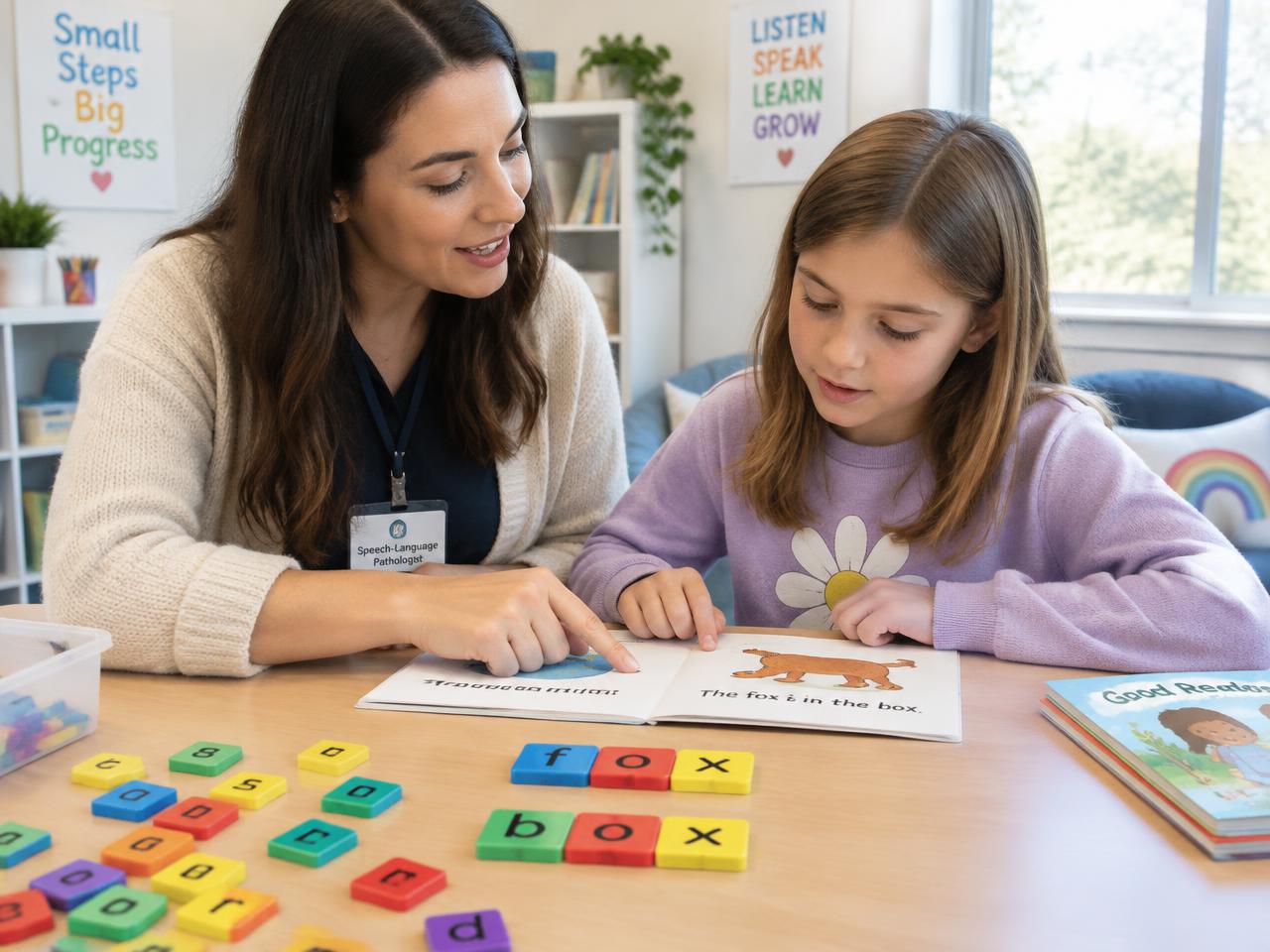
Dyslexia Therapy
Structured literacy support for early readers, preschool through 2nd grade.
Learn more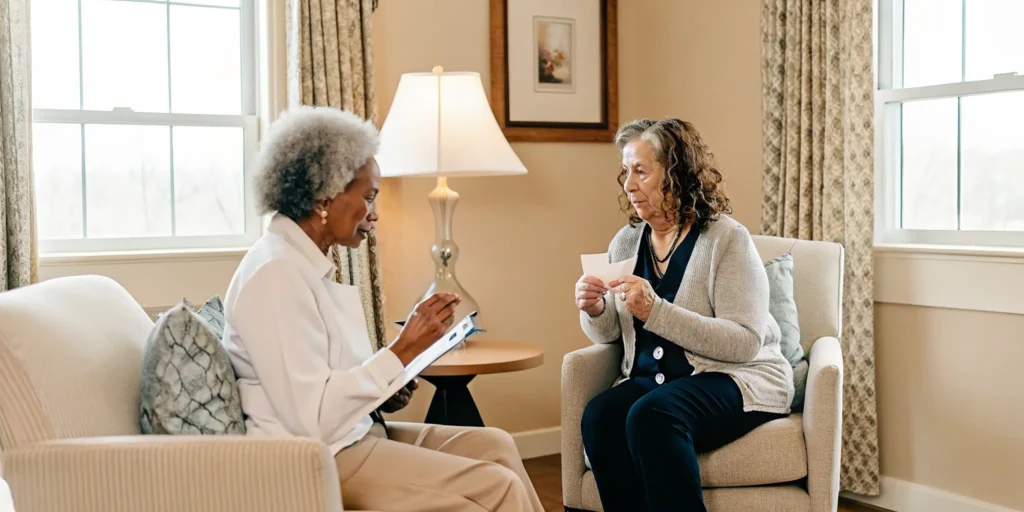
Adult Speech Therapy
Speech, language, voice, cognition and swallowing therapy for adults.
Learn more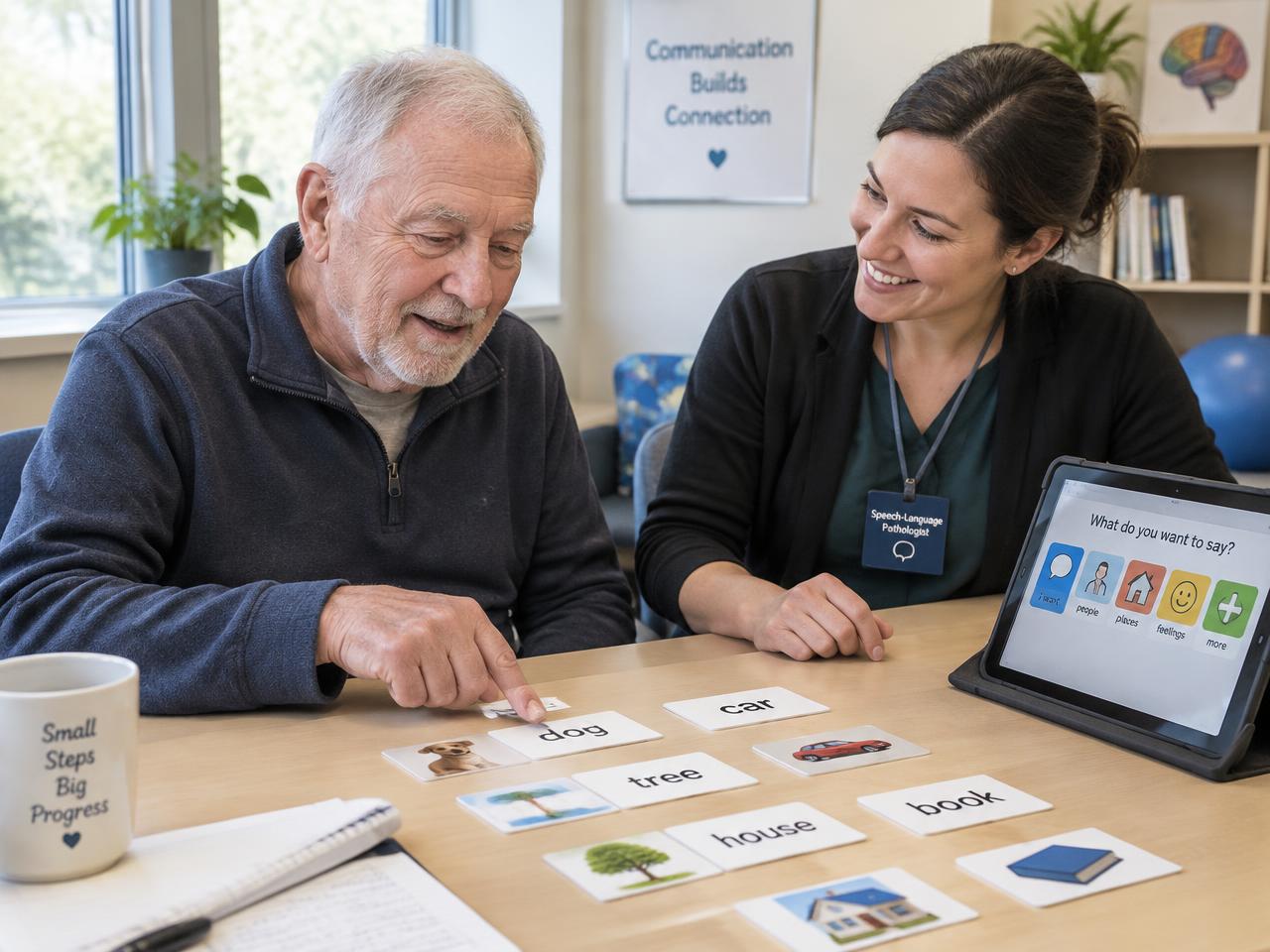
Speech Therapy After Stroke
Rehabilitation to rebuild communication and swallowing after a stroke.
Learn more
Aphasia Therapy
Help finding words, understanding and expressing language again.
Learn moreContact Us
Questions about an evaluation, scheduling, or insurance? Reach our Lutherville office by phone or send us a message.
Send a Message- 2324 W Joppa Road, Suite 130, Lutherville, MD 21093
- 443-875-7606
- amyschueler70@gmail.com
- Monday – Friday, 8:00 am – 6:00 pm