
Articulation & Speech Sound Therapy in Lutherville, MD
Clearer speech, meaningful connections
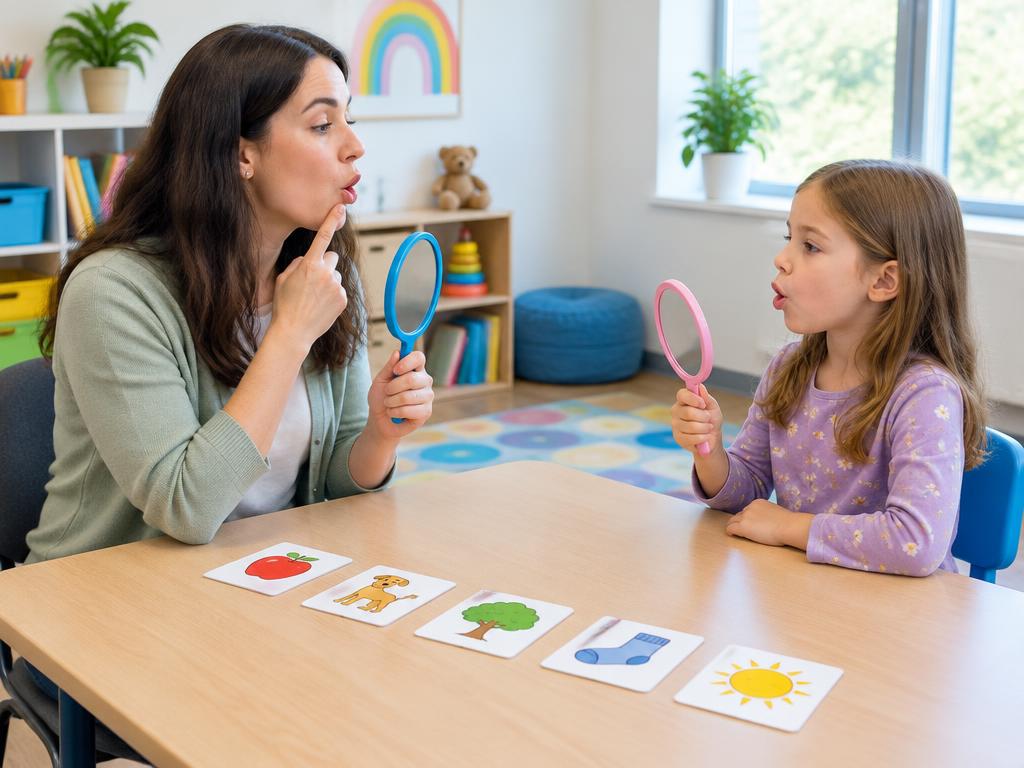
When your child has a story to tell but other people cannot understand the words, everyday conversations can become frustrating. You may understand almost everything at home while grandparents, classmates, or new listeners need you to translate. Or you may notice one sound that seems especially difficult, even when your child knows exactly what they want to say. These are reasonable concerns to bring to a speech-language pathologist; you do not need to know a diagnosis before asking for help.
Spectrum Speech Therapy provides articulation and speech sound support for children at our Lutherville office. An evaluation helps clarify what is happening, how speech patterns affect communication, and which next steps fit your child. Our goal is not to make every child sound identical. It is to help your child express ideas more clearly, participate comfortably, and feel heard by the people who matter in their daily life.
Articulation and phonology: two different pieces of speech
Making an individual sound
Articulation is the physical production of a speech sound using the lips, tongue, jaw, and airflow. A child might have difficulty placing the tongue for a particular sound, or produce a sound in a way that listeners find unclear. For example, a child may have trouble with an individual sound across many words. A therapist listens closely and looks at how the sound is formed, rather than assuming that every pronunciation difference has the same cause.
Organizing sound patterns in words
Phonology describes how sounds are organized and used within a language. A phonological difficulty may involve a pattern across groups of sounds: leaving off the ends of words, simplifying several consonants together, or replacing one family of sounds with another. Some simplifications are part of early speech development. An evaluation considers whether a pattern fits the child's age, languages, and communication history, and whether it makes messages difficult to understand. Articulation and phonological difficulties can also occur together.
Signs parents may notice at home or school
Speech sound concerns are not always obvious during a short conversation. Some children speak clearly in familiar words but struggle with longer words or sentences. Others are understood by family but repeatedly asked to repeat themselves in a classroom. Notice the situations that are hard without turning every conversation into a test. Your observations can help the therapist understand the difference between a sound that is still developing and a difficulty that is affecting participation.
Common reasons to seek guidance include frequent misunderstandings, difficulty with particular sounds, missing sounds in words, or a child becoming upset when asked to repeat. A child might avoid saying a classmate's name, choose easier words, or stop volunteering answers because being understood takes extra effort. Speech clarity is one part of communication; language development, hearing, attention, and comfort in the setting also matter. Children's Speech Therapy explains our broader pediatric services when several areas need attention.
When an evaluation may be helpful
You can request an evaluation when speech clarity is interfering with daily life, when pronunciation concerns persist, or when you are uncertain whether a sound pattern is expected. There is no need to wait for a child to become deeply frustrated. At the same time, a single unfamiliar pronunciation does not automatically mean a disorder. The clinician considers the whole child and explains the findings in plain language, including whether monitoring, targeted therapy, or another referral may be appropriate.
Different languages and dialects use different sound systems. An accent, dialect feature, or pattern related to learning more than one language should not be labeled a disorder simply because it differs from another speaker's speech. Tell the therapist which languages your child hears and uses, and how communication sounds in each setting. Mention hearing concerns or a history of ear problems as well. A hearing assessment may be recommended when needed; speech practice is not a substitute for identifying hearing difficulties.
What happens during a speech sound assessment?
Listening and learning about your child
The therapist gathers your concerns, developmental and medical history, and information about school or childcare. They may listen to conversation, ask your child to name pictures, and explore which sounds are easy or difficult in different word positions. Comfortable play and age-appropriate activities help make the process accessible. The assessment can include looking at the structures and movements used for speech and considering related language needs. Findings are interpreted together, not from one isolated score.
Turning findings into a practical plan
After the assessment, the clinician explains the speech patterns observed and how they affect understanding. You can discuss priorities such as saying a name, being understood at school, or reducing the need for a parent to interpret. Recommendations may focus on individual sounds, broader sound patterns, or a combination. If speech movement planning is a concern, Childhood Apraxia of Speech Therapy describes a different area of treatment; an articulation concern alone does not establish an apraxia diagnosis.
How therapy helps speech become clearer
Articulation treatment may help a child discover a sound placement, practice it in manageable steps, and use it in increasingly meaningful words and conversations. Depending on the child, a therapist may use models, visual cues, a mirror, or feedback about what the mouth is doing. Phonological treatment may focus on meaningful sound contrasts or patterns that change many words. The approach is chosen from the assessment, rather than assigning the same worksheet or exercise to every child.
Practice is most useful when it is achievable and connected to communication. A session might combine focused repetitions with a game, a story, or a conversation about the child's interests. Progress includes carrying skills into real situations, not just producing a sound correctly with help at the therapy table. The therapist adjusts the amount of support as skills develop. The pace varies by the speech profile, goals, and opportunities for practice, so we do not promise a fixed number of sessions or a guaranteed timeline.

Supporting your child between visits
Ask the clinician which words or activities are appropriate for home practice and how to give feedback. A short, successful practice opportunity is often more comfortable than correcting every sentence throughout the day. During ordinary conversation, respond to your child's message and provide a natural model when helpful. Let them finish an idea before asking for clarification. If practice becomes upsetting or a cue is confusing, bring that information back to the therapist so the plan can be adjusted.
Families in Lutherville, Timonium, Towson, and surrounding Baltimore County communities often balance school, work, and other appointments. A useful home plan fits that reality: naming a few items during a game, practicing a chosen word in a story, or sharing a brief success with the therapist. Where appropriate and with family consent, information from teachers or other providers can help clarify classroom needs. Meet Our Team introduces the clinicians, and Areas We Serve provides more information about nearby communities.
Frequently Asked Questions About Speech Sounds
Is articulation therapy the same as language therapy?
No. Speech sound therapy focuses on producing and organizing sounds clearly. Language therapy addresses understanding and expressing meaning, such as vocabulary or sentences. Children may need support in one area or both; an evaluation helps distinguish them.
Should I correct every word my child says?
No. Constant correction can interrupt communication and make talking uncomfortable. Follow the therapist's specific practice guidance and keep everyday conversations focused on what your child is sharing. Ask for help if home practice creates frustration.
Does speaking two languages cause a speech disorder?
No. Using multiple languages does not itself cause a speech disorder. Differences between language sound systems are important assessment information. Share your child's languages and communication patterns so the clinician can interpret the findings appropriately.
How long will speech sound therapy take?
The duration depends on the child's speech patterns, treatment goals, response to support, and use of skills outside sessions. Your therapist will discuss recommendations and review progress rather than promise a single timeline for every child.
Contact Us About Your Child’s Speech Clarity
If your child is difficult to understand or you have questions about pronunciation, contact Spectrum Speech Therapy to discuss an evaluation. Tell us which sounds or situations concern you and what you hope will become easier. Our office is at 2324 W Joppa Road, Suite 130, Lutherville, MD 21093. Call 443-875-7606 or email amyschueler70@gmail.com. You can also use our contact form to start the conversation about the right next step for your family.
Explore Our Other Speech Therapy Services

Stuttering Therapy
Fluency and communication confidence for children, teens, and adults.
Learn more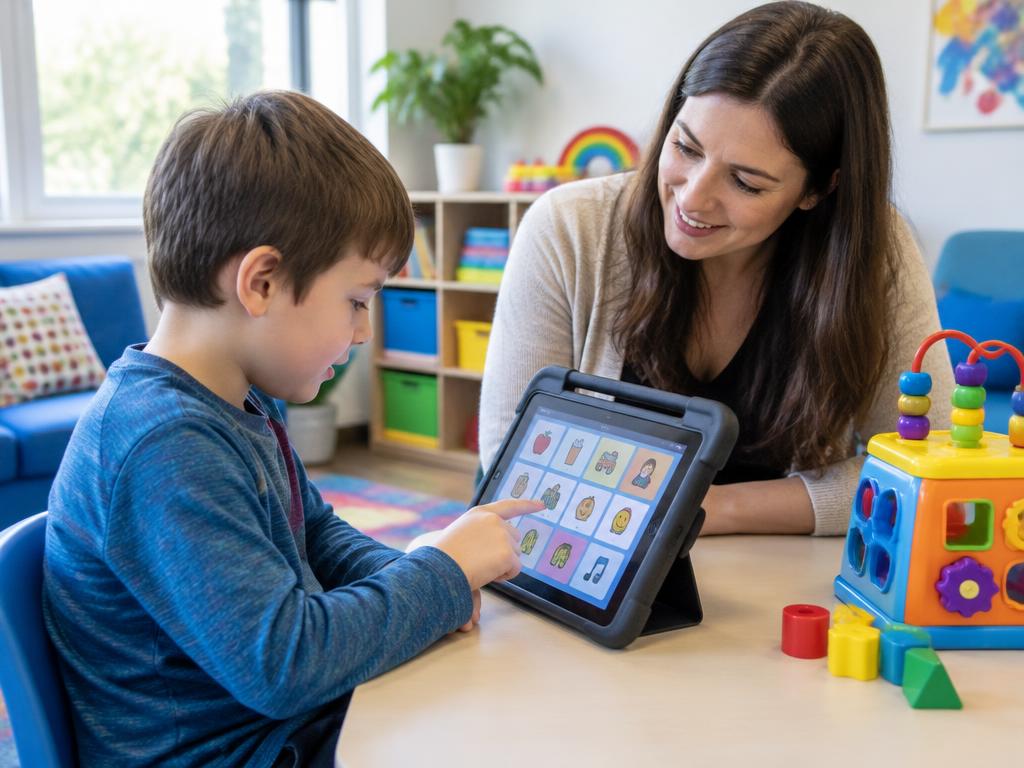
Autism Communication Therapy
Affirming support for speech, language, gestures, and alternative communication.
Learn more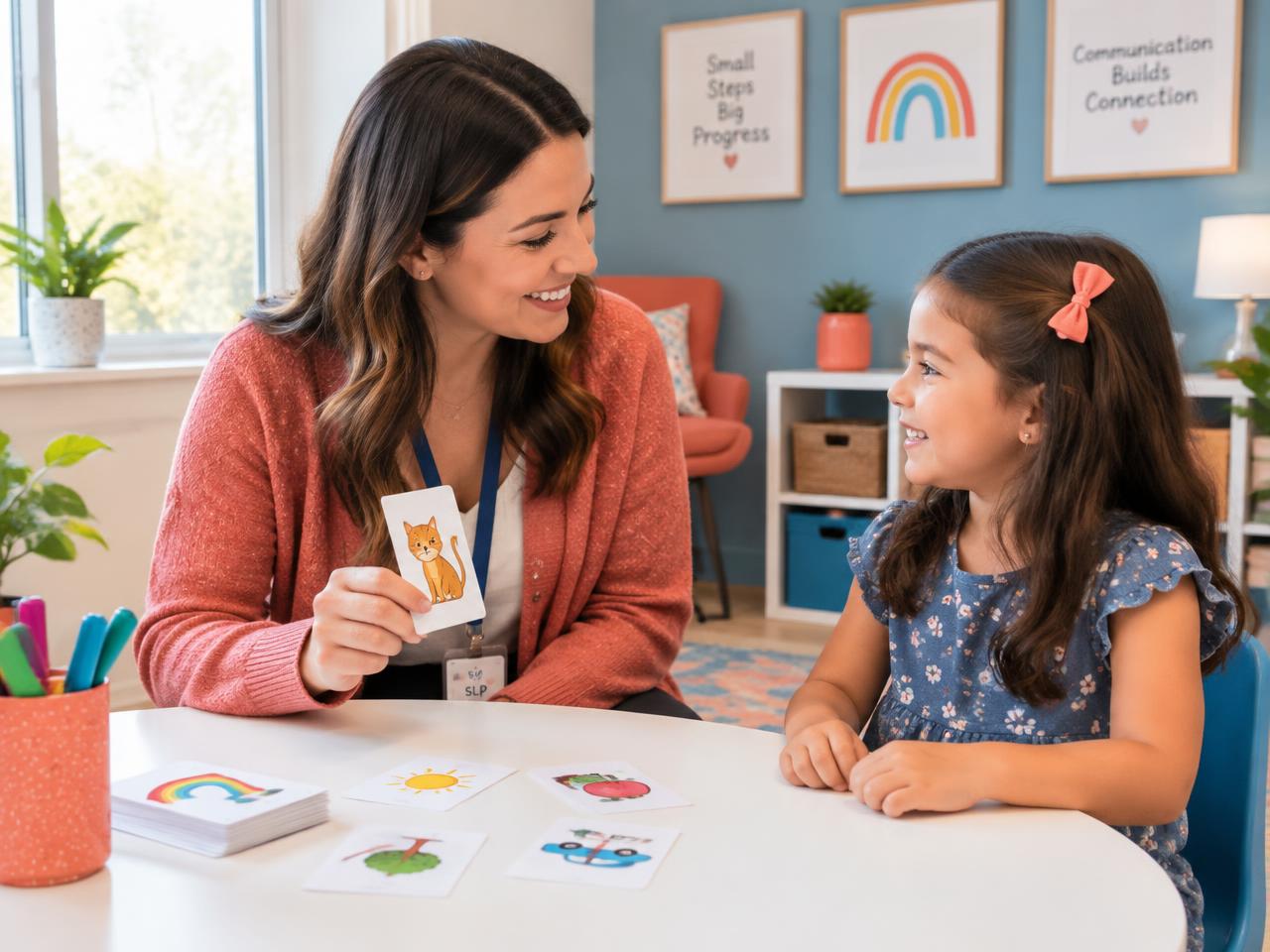
Children's Speech Therapy
Play-based therapy for speech, language, social and feeding skills.
Learn more
Toddler Speech Delay Therapy
Early help for late talkers and toddlers building first words.
Learn more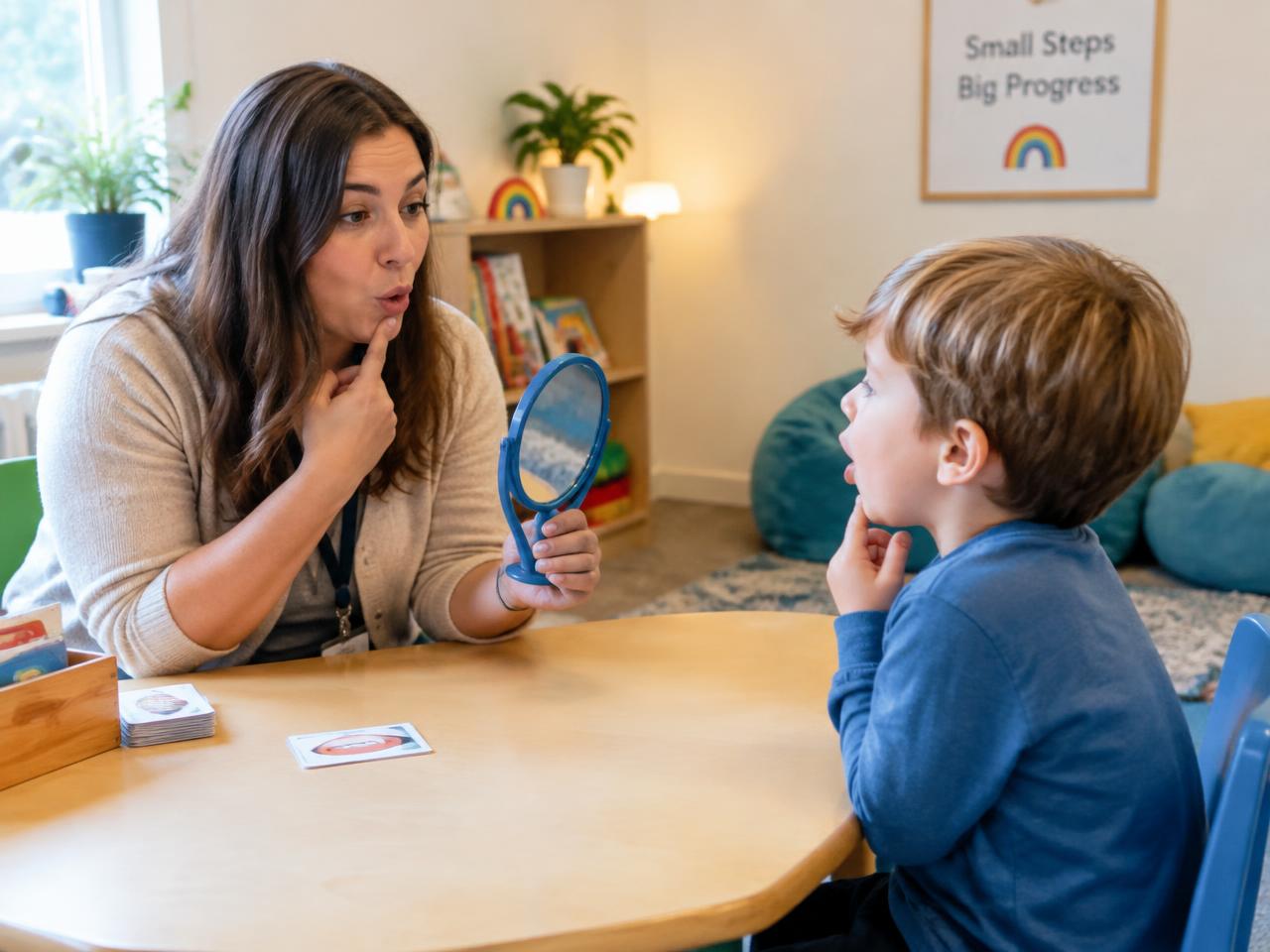
Childhood Apraxia of Speech Therapy
Motor-based practice for children who struggle to plan speech movements.
Learn more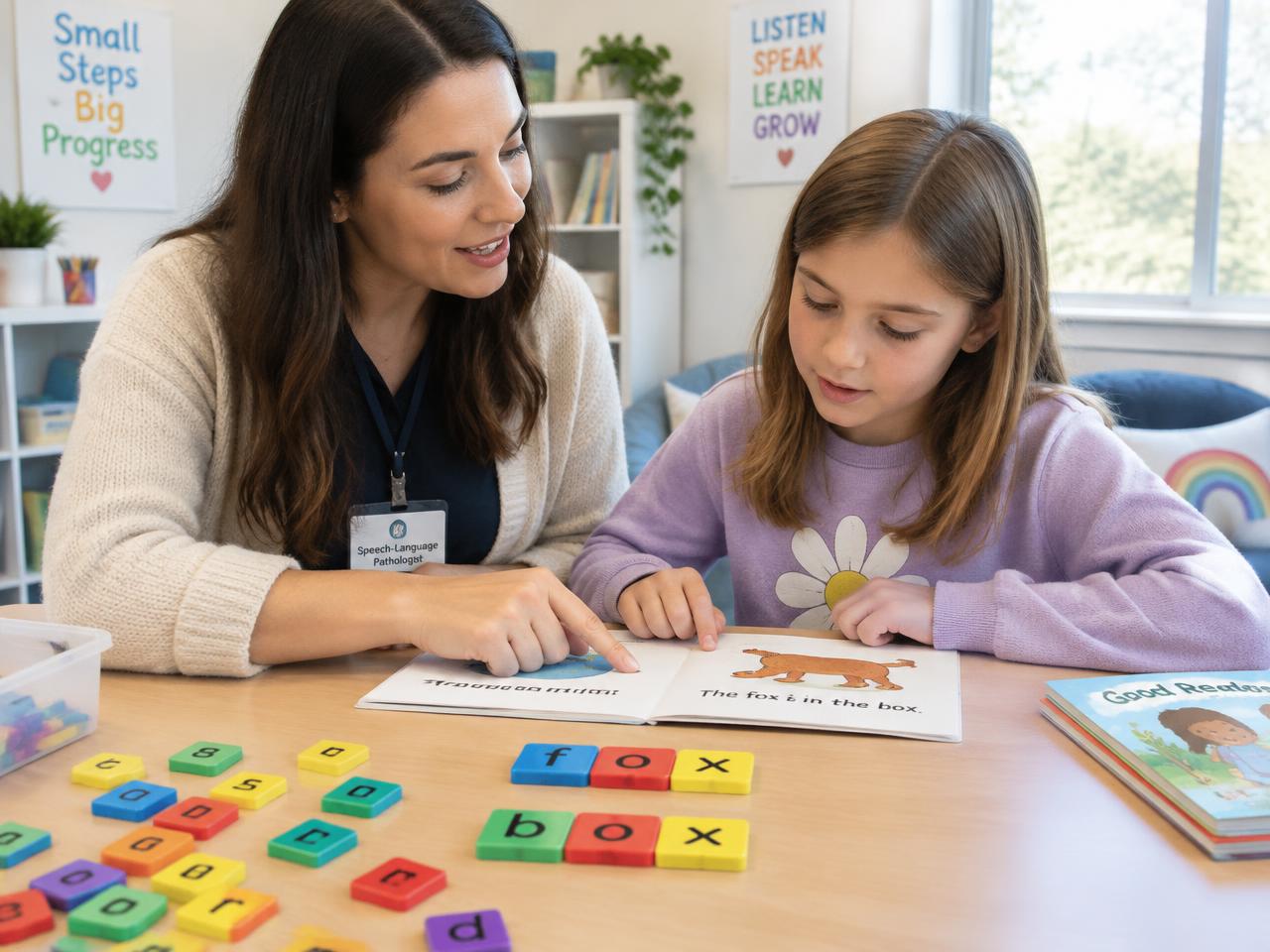
Dyslexia Therapy
Structured literacy support for early readers, preschool through 2nd grade.
Learn more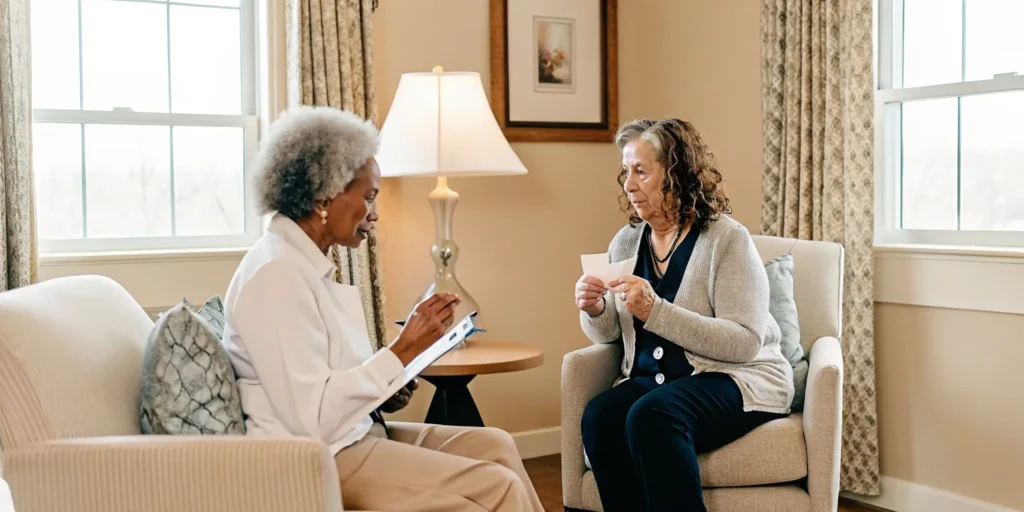
Adult Speech Therapy
Speech, language, voice, cognition and swallowing therapy for adults.
Learn more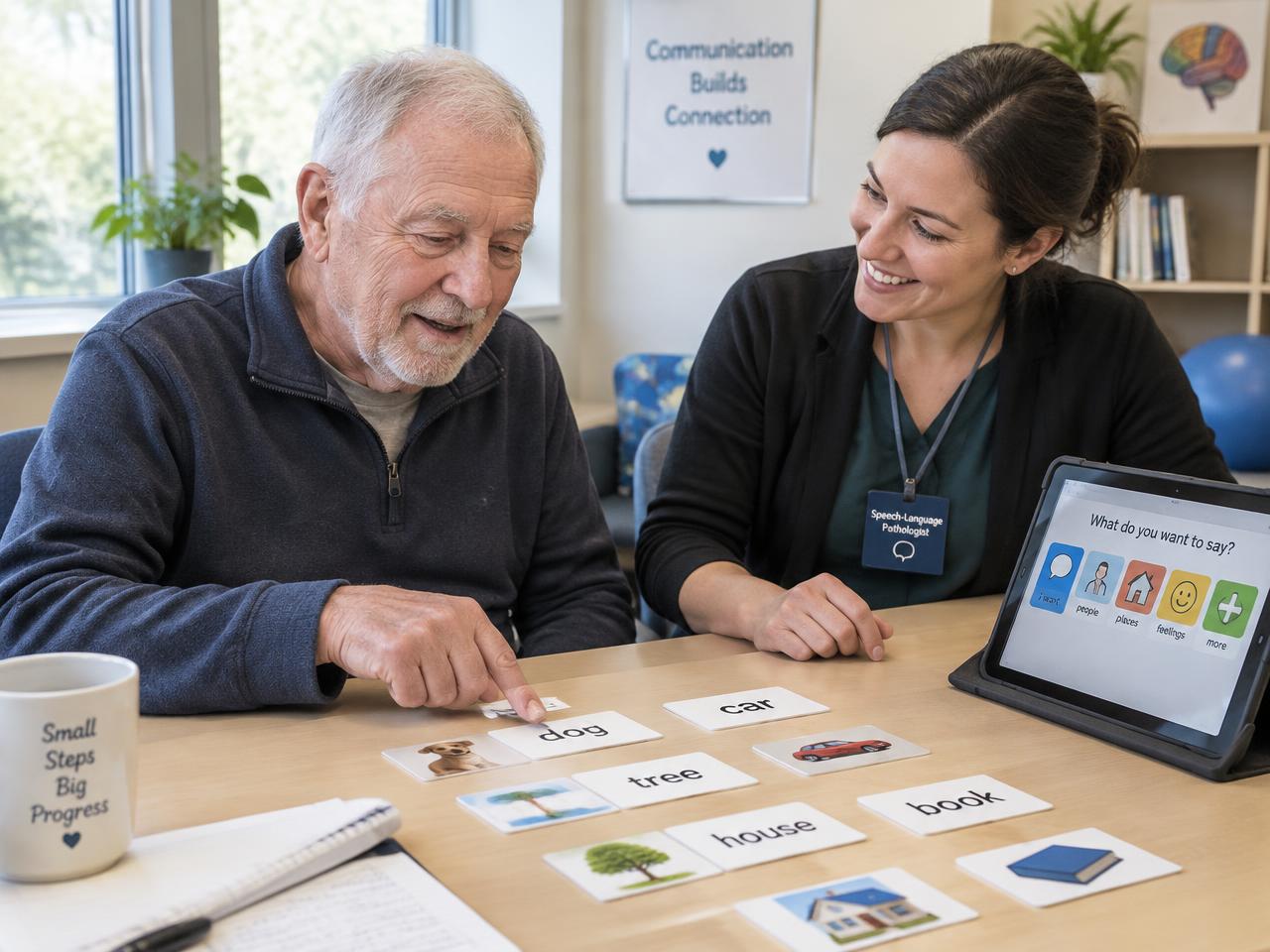
Speech Therapy After Stroke
Rehabilitation to rebuild communication and swallowing after a stroke.
Learn more
Aphasia Therapy
Help finding words, understanding and expressing language again.
Learn moreContact Us
Talk with our Lutherville team about an evaluation and your communication goals.
Contact Us
Questions about an evaluation, scheduling, or insurance? Reach our Lutherville office by phone or send us a message.
Send a Message- 2324 W Joppa Road, Suite 130, Lutherville, MD 21093
- 443-875-7606
- amyschueler70@gmail.com
- Monday – Friday, 8:00 am – 6:00 pm